

Choosing the right smart home ecosystem in 2026 means finding a platform that not only connects your devices, but also makes daily life easier, more secure and more automated. The best systems bring together lights, locks, cameras, thermostats and sensors under one control app or voice environment, and many of today’s leading platforms rely on the Matter standard, which lets compatible devices work across different brands and ecosystems.
1) Google Home / Google Assistant
https://home.google.com/welcome
Google Home remains the most flexible ecosystem for most users because it supports a wide range of devices from different manufacturers. Google Assistant works with lights, cameras, thermostats and more, and its routines let you automate your home based on time, voice command and presence.
Google’s ecosystem is especially strong for Android users and anyone who wants straightforward setup with broad compatibility. Matter support means an increasing number of compatible devices can be added easily and controlled together.
2) Amazon Alexa

Amazon’s Alexa ecosystem is one of the most widely supported and open platforms available. With an enormous catalogue of compatible devices and powerful routine tools, Alexa gives you detailed automation control and a flexible approach to managing different brands of smart gear.
Echo devices act as smart hubs, and the Alexa app makes it simple to create custom automations that trigger based on voice, schedules, sensor alerts and more. This breadth and flexibility make it a great option for larger or mixed smart home setups.
3) Apple HomeKit
https://www.apple.com/shop/accessories/all/homekit
Apple HomeKit is ideal for users invested in the Apple ecosystem who value security and privacy. HomeKit automations often run locally, giving faster response times and greater encryption for sensitive devices like cameras and alarms. The Home app on iPhone and iPad is clean and intuitive, and with Matter support gaining traction, more third-party devices can now work with HomeKit than ever before.
This ecosystem feels seamless for Apple users and is a solid choice if privacy and ease of automation are top priorities.
4) Xiaomi Home

https://www.mi.com/global/smart-home
Xiaomi Home (formerly known as Mi Home) has grown into a comprehensive smart home platform that unifies a wide variety of smart devices under a single control app. It includes Xiaomi and partner hardware such as smart lights, plugs, sensors, cameras, locks and robots, all manageable from the Mi Home app on iOS and Android.
Many Xiaomi hubs and devices support Zigbee, Bluetooth and Wi-Fi connections, and Matter compatibility in recent products means you can integrate Xiaomi devices into wider ecosystems like Google Home and Alexa when supported. This makes Xiaomi Home a strong choice if you want a budget-friendly ecosystem with a large range of compatible smart devices and a single control platform.
5) Samsung SmartThings
https://www.samsung.com/us/smartthings
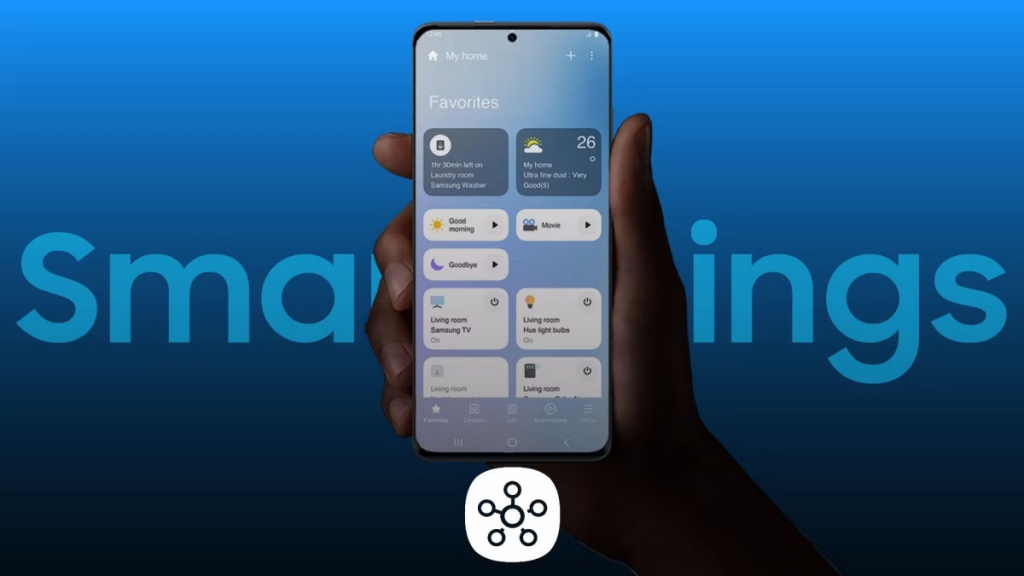
Samsung SmartThings strikes a balance between device support and automation power. SmartThings works with a growing list of Matter-enabled devices and offers robust tools to create smart scenes and device interactions for more sophisticated smart home setups.
It’s a strong pick if you want to mix brands and still maintain a high degree of control over how devices work together.
6) Home Assistant
Home Assistant is an open-source platform that excels in deep customisation and advanced automation. It isn’t as plug-and-play as the commercial ecosystems above, but its flexibility and support for many protocols makes it ideal for tech-savvy users who like to build their own rules and integrations.
Because it’s community-driven and highly extensible, Home Assistant can serve as the backbone for complex or specialised smart homes where every detail matters.
Final Thoughts
In 2026 the smart home landscape is shaped by ecosystems that not only support a wide range of devices but also make them work together intuitively. Google Home leads for most households thanks to its wide compatibility and powerful voice assistant. Amazon Alexa remains the most open choice with exceptional device support, and Apple HomeKit stands out for privacy and integration with iOS devices. Xiaomi Home offers great value and broad device support under one app, SmartThings is ideal for flexible automation, and Home Assistant is unbeatable for deep customisation.
Choosing the best ecosystem depends on your priorities — whether that’s ease of use, privacy, flexibility, value or advanced automation — and with Matter becoming more common, mixing different devices across platforms is now more feasible than ever.