
Smartphones put powerful health and wellness tools in your pocket. The right health app can help you track activity, monitor nutrition, build better habits, reduce stress and even improve sleep. With thousands of apps available, choosing the ones that actually deliver results matters more than ever. Recent rankings of fitness, nutrition and wellness apps highlight tools that help users stay motivated, make smarter choices and reach long-term goals.
Here’s RankSmith’s ranking of the best health apps of 2026, broken down by overall usefulness, ease of use and impact on your wellbeing.
1) MyFitnessPal
MyFitnessPal is one of the most widely recognised health apps because it combines food tracking, calorie counting and fitness integration in a single tool. It has a massive food database that makes logging meals quick and insightful, and it syncs with many smart devices and fitness trackers. Whether you want to lose weight, gain muscle or just understand your eating patterns better, MyFitnessPal offers a comprehensive solution that’s intuitive and data-rich.
Why it’s here: Excellent food database and broad tracking features for users of all goals.
2) Gymshark Training
https://row.gymshark.com/blog/article/the-gymshark-training-app-for-ios-and-android
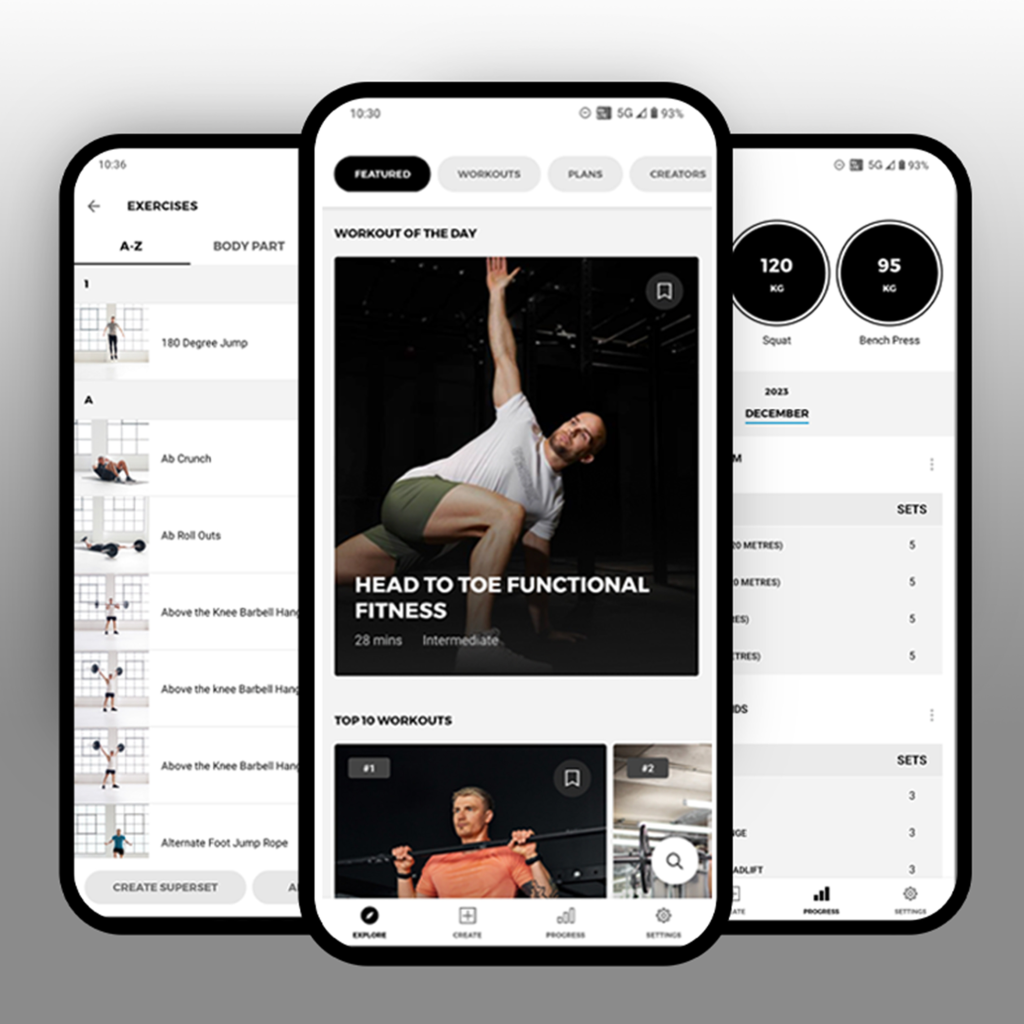
The Gymshark Training App delivers free workouts, training plans and exercise libraries developed with industry professionals and athletes, all without a subscription. It offers plans for gym sessions, at-home workouts, strength training, mobility, and HIIT, and lets you build and personalise workouts based on your goals. The app is simple to set up and easy to use, and it’s ideal for people who want clear, guided fitness routines without premium fees. These workouts are especially good for people focused on strength training and muscle development.
3) Strava
Strava is a favourite among runners, cyclists and outdoor enthusiasts — and in 2026 it remains one of the best apps for tracking workouts, comparing performance and staying motivated through social features. Its route tracking and analysis tools are robust, and community challenges help push you towards consistent progress.
Why it’s here: Great for tracking workouts that involve movement, setting personal challenges and training with friends.
4) Google Fit
Google Fit is one of the most accessible health tracking apps because it’s free, works across many Android devices and integrates with wearables like Wear OS watches as well as many third-party tools. It tracks activity, heart points and move minutes, giving users simple but effective metrics to encourage daily activity without overwhelm.
Why it’s here: Easy-to-use and excellent for everyday fitness monitoring without subscription costs.
5) HealthifyMe
HealthifyMe stands out as an AI-powered nutrition and diet app that helps users tailor their meals and calorie goals based on preferences, dietary restrictions and objectives like weight loss or muscle gain. Its personalised coaching and large food database make it especially effective if your goals are nutrition-focused.
Why it’s here: Strong AI nutrition tools and customised dietary guidance.
6) Fitia
Fitia has emerged as one of the standout nutrition and dieting apps for 2026, with smart logging, recipe suggestions and adaptive guidance that evolves with your progress. Its focus on flexible but structured nutrition plans makes it ideal for anyone who wants tailored meal support.
Why it’s here: Great for personalised meal planning and adaptive calorie tracking.
7) Nike Training Club
Nike Training Club offers a wide range of free and subscription workout routines designed by professionals, from strength training to mobility and yoga. It’s one of the best options for people who want guided workouts and structured exercise plans without needing a gym membership.
Why it’s here: Excellent workout variety and professional guidance for fitness routines.
8) Headspace
Health isn’t just physical — and Headspace remains one of the most respected apps for mindfulness, meditation and stress management. With guided sessions, sleep support and mental resilience tools, this app helps users improve everyday mental wellbeing. It’s often recommended by experts for consistent stress reduction.
Why it’s here: Trusted mental wellness and meditation support in a simple app.
9) WalkFit
WalkFit focuses on accessible fitness through walking-based routines, achievement badges and personalised plans that don’t require intense gym workouts. Its focus on walking makes it ideal if you want to start moving more without pressure. This approach has helped many users improve weight and fitness gently and consistently.
Why it’s here: Friendly entry point for beginner users and low-impact health goals.=
10) Calm
Calm specialises in sleep stories, relaxation techniques and guided breathing exercises that help reduce anxiety and improve rest. It’s one of the top apps for people who want better sleep quality as part of an overall health routine, and regularly appears among the most downloaded meditation and sleep apps in 2026.
Why it’s here: Exceptional support for sleep routines and stress reduction.
Final Thoughts
Health apps in 2026 do much more than count steps. The top performers combine activity tracking, nutrition logging, guided workouts and mental wellbeing tools in ways that help you sustain healthy habits over time. Whether you want an all-in-one health companion like MyFitnessPal, a social fitness motivator like Strava, AI-powered nutrition guidance from HealthifyMe and Fitia, or mental wellness support from Headspace and Calm, there’s a health app that fits your goals.
FAQ
Q: What is the best health app overall in 2026?
For broad health tracking across nutrition, fitness and wellness, MyFitnessPal consistently ranks at the top.
Q: Are free health apps good enough?
Yes — many powerful free apps like Google Fit, Nike Training Club and WalkFit provide excellent tools without subscriptions.
Q: Should I use separate apps for fitness and mental health?
That approach can be beneficial: apps like Strava or Fitbit help with physical activity, while Headspace and Calm focus on stress, sleep and mindfulness.